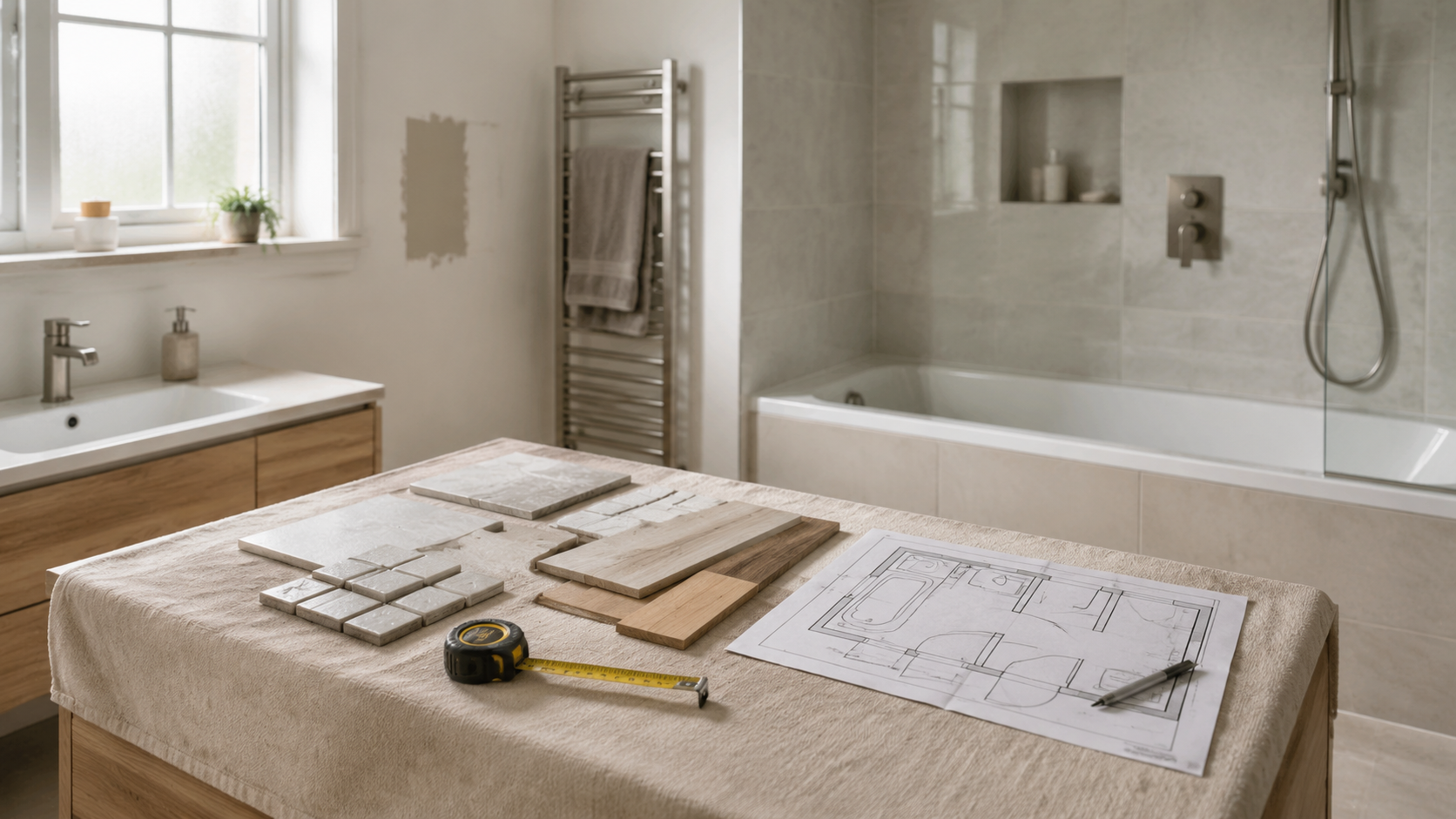
A bathroom refurbishment can improve comfort, make better use of available space and add lasting value to a home. However, it also involves more decisions than many homeowners initially expect. Plumbing, electrics, ventilation, waterproofing, tiling, storage and lighting all need to work together within what is often one of the smallest rooms in the property.
Careful preparation before any work begins can prevent expensive changes later and help the project progress more smoothly. Here are the most important points to consider when planning a bathroom refurbishment.
Decide What You Want to Achieve
Begin by identifying what is wrong with the existing bathroom. It may look dated, lack storage or have a layout that makes poor use of the space. There could also be practical problems such as weak ventilation, damaged tiles, unreliable plumbing or insufficient lighting.
Make a list separating essential improvements from desirable additions. Replacing a leaking shower enclosure is a necessity, while installing underfloor heating might be an optional upgrade. Establishing these priorities will make it easier to control the budget if costs begin to increase.
Consider who will use the bathroom and how their needs may change. A family bathroom may require a bath, durable surfaces and generous storage, while an en-suite could prioritise a spacious shower and a less complicated layout.
Establish a Realistic Budget
A bathroom budget should cover much more than the visible fittings. The bath, shower, basin, toilet, taps and tiles are only part of the total cost.
Remember to allow for:
- Removal and disposal of the old bathroom
- Plumbing and electrical work
- Wall preparation and waterproofing
- Tiling and flooring
- Ventilation
- Lighting
- Joinery and decorating
- Labour and installation
- Unexpected repairs
Once existing tiles and fittings have been removed, problems such as damaged floorboards, leaking pipework or damp walls may become visible. Keeping approximately 10–15% of the budget aside for unexpected work provides useful protection.
Obtain detailed quotations rather than relying on a single headline figure. A good quotation should explain what is included, who supplies the materials and whether waste removal, preparation and finishing work are covered.
Assess the Existing Room
Before selecting new products, carefully measure the bathroom and record the locations of doors, windows, radiators, pipework and electrical points. Check the direction in which doors open and allow enough room to use every fitting comfortably.
The condition of the room is equally important. Look for signs of damp, cracked grout, loose tiles, damaged sealant or movement in the floor. These can indicate problems that need to be corrected before new finishes are installed.
Water pressure and the existing hot-water system may also affect the type of shower that can be fitted. A large rainfall shower may look attractive, but it will be disappointing if the property cannot provide sufficient pressure or hot water.
Consider Whether to Change the Layout
Keeping the toilet, basin, bath and shower in approximately the same positions will normally reduce plumbing work and help control costs. However, retaining an inconvenient layout simply because it is already there may be a false economy.
A carefully planned change could create space for a larger shower, additional storage or improved access. In a small bathroom, wall-hung fittings, recessed shelves, sliding doors and appropriately sized sanitaryware can make a noticeable difference.
Draw the proposed layout to scale or use a bathroom planning tool. Make sure there is enough clearance around every fitting and consider where towels, toiletries and cleaning products will be stored. Storage should form part of the original design rather than being added as an afterthought.
Choose Materials for the Environment
Bathrooms are exposed to moisture, temperature changes and regular cleaning, so materials should be selected for practicality as well as appearance.
Porcelain tiles are commonly chosen because they are durable, water-resistant and available in a wide variety of finishes. Natural stone can create a distinctive result but may require sealing and more careful maintenance. Large-format tiles can reduce the number of grout lines, although they require properly prepared, level surfaces and experienced installation.
Slip resistance is particularly important for floors and shower areas. Highly polished surfaces may look impressive but are not always the most practical choice when wet.
Avoid selecting every item separately without considering the room as a whole. Tile colours, grout, sanitaryware, taps, furniture and lighting should complement one another. Bringing samples into the room can help you see how they respond to its natural and artificial light.
Plan Waterproofing and Ventilation Properly
Tiles and grout alone do not make a shower or wet area waterproof. Suitable waterproofing should be installed beneath the finished surface, particularly around baths, showers and wet-room floors.
This is one part of the refurbishment where shortcuts can cause significant damage later. Water entering walls or floors may remain unnoticed until it affects adjoining rooms or the structure beneath.
Effective ventilation is equally important. A suitable extractor fan helps control condensation, protects decorations and reduces the likelihood of mould. The fan should be appropriately sized for the room and positioned to remove moist air effectively.
Think About Lighting and Electrics Early
Bathroom electrics must comply with the relevant safety requirements, so lighting, switches, shaver sockets, heated mirrors and underfloor heating should be planned before walls and ceilings are finished.
A combination of lighting usually works better than relying on one central fitting. General ceiling lighting can be supported by practical illumination around the mirror and softer lighting for evenings.
Consider how the mirror will be used for shaving, applying make-up or other daily routines. Poorly positioned lighting can create shadows even when the room appears bright overall.
Select the Right Tradespeople
Bathroom refurbishments often require several skills, including plumbing, electrical work, tiling, carpentry and decorating. Establish who will coordinate these trades and in what order they will work.
Ask potential contractors about relevant experience, insurance, timescales and previous projects. Clarify whether they will supply materials or expect everything to be available before work starts.
Do not choose solely on the lowest quotation. Preparation, waterproofing and installation quality have a major influence on how the completed bathroom performs over time.
Order Products Before Starting
Delays often occur because one important item is unavailable. Check delivery times for the bath, shower tray, enclosure, taps, tiles and furniture before agreeing on a starting date.
Open and inspect delivered products promptly. Confirm that dimensions, colours and quantities are correct and that nothing has been damaged in transit. Finding a cracked shower tray after the old bathroom has been removed can stop the entire project.
It is also sensible to order additional tiles to cover cutting, breakages and possible future repairs. Tiles from a later production batch may have a slightly different shade.
Prepare for Disruption
Depending on the amount of work involved, a complete bathroom refurbishment may take several weeks. Ask for a realistic programme showing the main stages, including removal, first-fix plumbing and electrics, preparation, waterproofing, tiling and final installation.
If the property has only one bathroom, discuss how long the toilet and washing facilities will be unavailable. Making temporary arrangements beforehand will reduce stress once work begins.
Good Planning Creates Better Results
The best place to begin a bathroom refurbishment is not in a showroom but with a clear understanding of the room, the household’s requirements and the available budget.
Resolve practical questions before concentrating on decorative details. A well-planned bathroom should not only look attractive when it is completed; it should also remain comfortable, functional and straightforward to maintain for years to come.
No responses yet