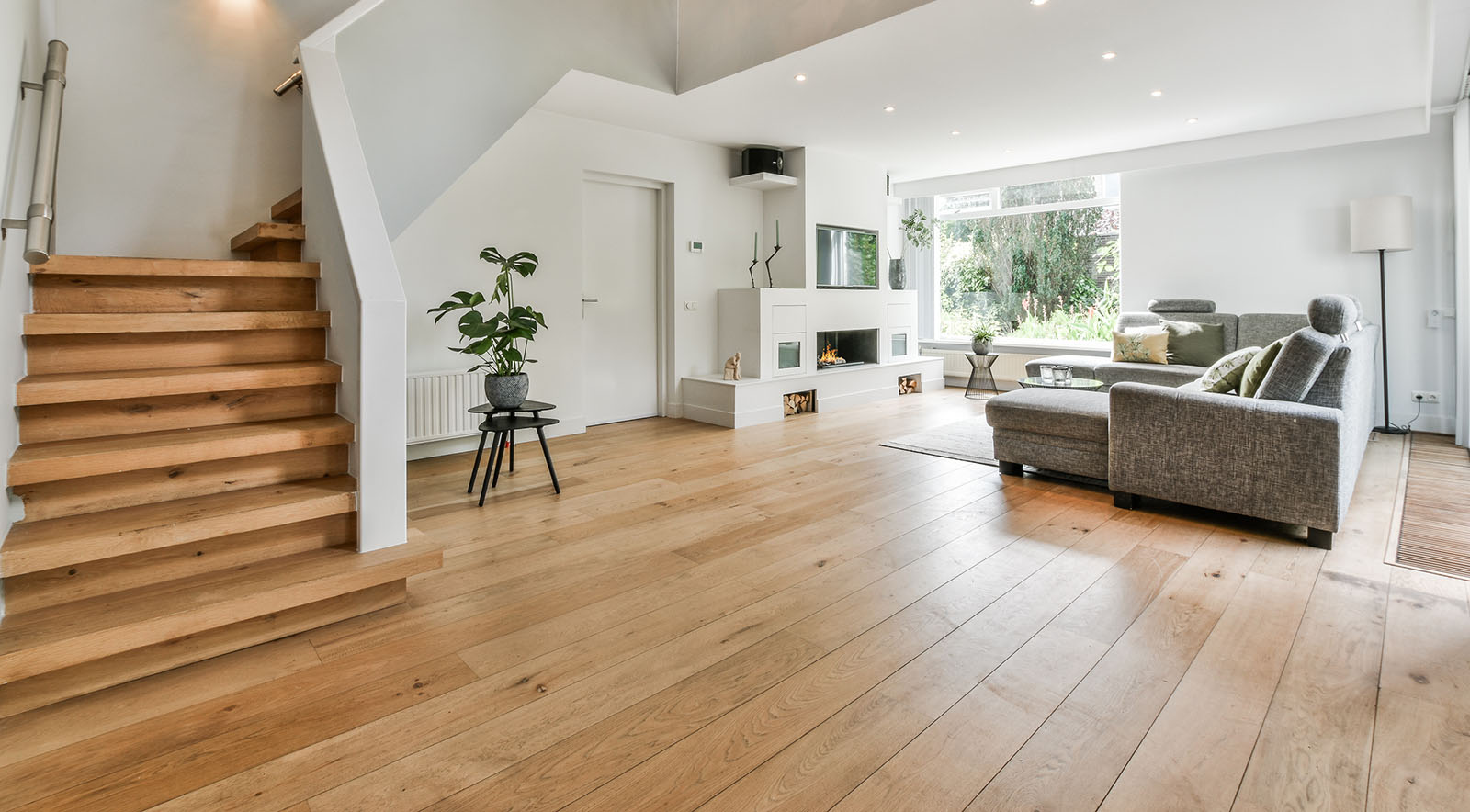
Original wooden flooring can be one of the most attractive features of a London property. Floorboards found beneath old carpets or worn finishes may look beyond repair at first, but many can be restored successfully. Sanding, repairs and a suitable new finish can reveal the character of the timber while giving the floor many more years of useful life.
Restoration is not always as simple as hiring a sanding machine and removing the top layer. The type and condition of the floor, previous treatments, moisture levels and the desired appearance all need to be considered before work begins.
Is the Floor Suitable for Restoration?
The first step is to establish what kind of flooring is present. Solid timber boards can generally be sanded several times during their lifetime, provided they retain sufficient thickness above the joints and fixings.
Engineered wood flooring has a real timber surface over a layered base. Some engineered floors can be sanded, but this depends on the thickness of the upper wear layer and whether the floor has already been restored. An assessment should be carried out before any machinery is used.
Laminate flooring cannot be sanded because its visible surface is a printed layer rather than solid timber. When laminate is badly worn or damaged, replacement is normally the practical solution.
Inspecting the Condition of the Floor
A worn finish, surface scratches and minor staining do not necessarily mean that the floor needs replacing. These are often precisely the problems that restoration can correct.
More serious issues should be investigated before sanding begins. These can include:
- Loose, split or heavily damaged boards
- Protruding nails and screws
- Excessive gaps between floorboards
- Movement or squeaking
- Dark staining caused by moisture
- Rot or insect damage
- Boards that have become warped or uneven
- Previous repairs completed with unsuitable materials
Any source of active moisture must be resolved first. Sanding and refinishing a damp floor may temporarily improve its appearance, but the underlying problem will continue and could damage the new finish.
Repairing Boards Before Sanding
Repairs should normally be completed before the main sanding process. Loose boards may need to be secured, damaged sections replaced and exposed fixings driven safely below the surface.
In older London properties, matching replacement timber can be challenging. New boards may differ in colour, grain and dimensions from the original floor. Reclaimed timber of a similar age and species can sometimes provide a better match, although some variation is natural and can contribute to the character of the finished floor.
Large gaps may require attention, particularly if they create draughts or collect dirt. However, traditional floorboards naturally expand and contract as temperature and humidity change. Filling every small gap rigidly can lead to cracking or movement later, so the repair method should suit the type and age of the floor.
The Sanding Process
Professional floor restoration normally involves several sanding stages. A coarser abrasive removes the existing coating and levels the surface. Progressively finer abrasives are then used to smooth the timber and prepare it for finishing.
Edges, corners and areas around radiators require smaller equipment and careful hand finishing. The direction of sanding also matters, particularly with parquet, herringbone or other patterned floors.
Removing more timber than necessary shortens the potential life of the floor. Wooden floors should certainly not be sanded every year. A properly restored and maintained floor may not require another full sanding for many years.
Modern sanding equipment can capture a large proportion of the dust, but the process should not be considered completely dust-free. Doorways, cupboards and nearby rooms may still need protection, and the floor should be thoroughly cleaned before the finish is applied.
Choosing the Right Finish
The finish affects the appearance, maintenance requirements and durability of the restored floor. The most appropriate choice depends on how the room is used and the type of result required.
Lacquer
Lacquer creates a protective surface coating and is available in finishes ranging from matt to gloss. It can provide strong resistance to everyday wear, making it suitable for busy areas.
Damage to a lacquered surface may be harder to repair locally because individual patches can remain visible. More extensive wear may eventually require the surrounding area or entire floor to be refinished.
Oil
Floor oil penetrates the wood and tends to create a natural appearance that highlights its grain and texture. Localised maintenance and repairs can often be easier than with a surface coating.
Oiled floors usually require periodic maintenance to retain their protection. Spills should be removed promptly, particularly in kitchens, entrance halls and other frequently used areas.
Hardwax Oil
Hardwax oil combines penetrating oils with protective waxes. It provides a natural-looking finish while offering useful resistance to wear and moisture. Different colours and sheen levels can be used to retain the original tone of the wood or change its appearance.
Samples should be tested on a discreet section of the actual floor. The same product can look noticeably different depending on the timber species, age and previous treatments.
Natural Colour or Staining?
Sanding often reveals a lighter and more varied surface than expected. Some homeowners choose a clear finish to preserve this natural appearance, while others use a stain to create a darker or more uniform tone.
Staining requires careful preparation. Scratches, uneven sanding and traces of old finish may become much more visible once colour is applied. Testing is particularly important because old boards can absorb stain unevenly.
Trying to make old flooring look perfectly uniform can remove some of the variation that gives it character. Differences between boards, historical marks and sympathetic repairs are not necessarily defects.
Restoration or Replacement?
Restoration is often preferable when the existing floor is structurally sound and retains sufficient thickness. It preserves original material, reduces waste and may be less disruptive than removing and replacing the entire floor.
Replacement may be more appropriate when:
- A large proportion of the boards are damaged
- The floor has already been sanded too deeply
- There is extensive rot or moisture damage
- The existing material cannot support the intended use
- Major changes to insulation, levels or underfloor services are required
The decision should be based on the condition of the complete floor rather than one particularly damaged section.
Planning Restoration as Part of a Wider Refurbishment
Floor restoration should be scheduled carefully when other renovation work is taking place. Heavy building work, plumbing alterations and wet trades should normally be completed before the final floor finish is applied.
Freshly restored floors need protection from tools, ladders, paint and construction debris. Protection should be breathable and suitable for the selected finish rather than being taped directly to the floor.
Access is another practical consideration in London properties. Flats, narrow staircases, parking restrictions and limited working space can affect how equipment and materials are brought into the building. These details should be discussed before work begins.
Choosing a Floor Restoration Contractor
Before appointing a contractor, ask for information about comparable restoration projects and the equipment and finishes they use. A quotation should explain whether it includes repairs, gap treatment, sanding, finishing, dust control and waste removal.
Useful questions include:
- Is the floor thick enough to sand safely?
- Which repairs are included?
- How will dust be controlled?
- How many coats of finish will be applied?
- How long will the floor take to dry or cure?
- When can furniture be returned?
- What maintenance will the finish require?
- Are there any areas where a perfect result cannot be guaranteed?
A responsible contractor should explain the limitations of the existing floor rather than promising that every mark, stain or colour difference will disappear.
Looking After a Restored Wooden Floor
Regular cleaning with a soft broom or suitable vacuum attachment will prevent grit from scratching the surface. Use cleaning products intended for the chosen finish and avoid excessive water.
Protective pads beneath furniture can reduce dents and scratches, while entrance mats help capture dirt before it reaches the floor. Spills should be wiped up promptly, and maintenance oil or another recommended treatment should be applied when required.
With appropriate preparation, a carefully selected finish and sensible maintenance, wood floor restoration can retain the character of an older London property while creating a practical surface for everyday living.
No responses yet